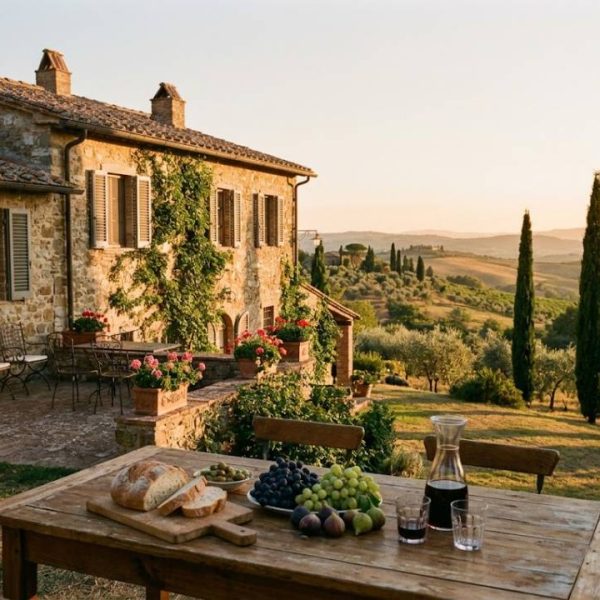
Renting a villa in Italy feels like the easy part of a trip. The photos are lovely, the pool looks inviting, and the host answers messages within the hour. Then comes the first morning in a village where the baker speaks only Italian and the rental contract is written in a language you cannot read.
A little preparation turns those moments from stress into part of the charm. Here is how to plan a villa holiday so that language never gets between you and the view.
Read the Rental Agreement Before You Pay
Many villa contracts in Italy are written in Italian, sometimes with a short English summary. The summary may skip details that matter, such as cancellation terms, security deposits, extra cleaning fees, the tourist tax, and rules about guests and noise. Ask the host for the full text and have it checked, especially for stays longer than a week.
Travelers who need a reliable rendering of a contract or a deposit receipt can turn to italian translation services instead of trusting a rushed machine version that may flip the meaning of a single clause.
Learn the Phrases That Do the Heavy Lifting
You do not need fluency. Twenty well-chosen phrases cover most situations: greetings, please and thank you, asking for the bill, asking where something is, and explaining a dietary need. Practice them aloud before the flight. Italians tend to respond warmly when visitors try, even clumsily, and a simple buongiorno at the shop door changes the tone of the whole exchange.
Write the address of the villa in Italian and keep it on your phone. Rural roads rarely have clear signs, and a taxi driver or a neighbor can help only if the address is easy for them to read.
Understand Local Customs Early
Language is only half of communication. Lunch breaks are long, many shops close in the afternoon, and dinner starts late. Greeting people when you enter a shop is expected, and tipping works differently from North America. Small gestures matter more than perfect grammar.
This guide to cultural customs explains how habits like these shape everyday encounters, and why ignoring them causes more friction than a wrong verb ever will.
Prepare for Emergencies in Two Languages
Save the European emergency number 112, the address of the nearest pharmacy, and the contact details of your host. Keep a note of any medical needs written in Italian, such as allergies or regular medication, so a doctor or pharmacist can act quickly. Travel insurance papers and prescriptions are worth carrying in both languages.
If a claim is ever needed, an official translation of receipts and reports speeds up the process considerably.
Use Technology Wisely
Translation apps are handy for menus and street signs. Download the Italian language pack before you leave so the app works without a data connection in hilly areas. Treat the output as a guide, not a guarantee. Apps struggle with dialect, handwriting, and local idioms, and they can turn a simple sentence into something comical or confusing.
For anything with legal or financial weight, rely on a human who understands both the language and the context.
Talk to the Host Before Arrival
A short message before you travel clears up many problems. Confirm check-in times, how to reach the property, where to park, and how waste sorting works. Many Italian municipalities enforce strict recycling, and a missed rule can lead to a fine. Ask for a few local recommendations as well, because a trattoria without an English menu is often the one worth visiting.
Pack for the Region, Not Just the Season
Tuscany, Puglia, and Lake Como all ask for different clothes, different plans, and different habits at the table. Read about the area before you go, learn two or three regional dishes by name, and check opening hours of churches and museums. The official Italian national tourism website offers region-by-region guidance that helps you plan realistic days.
Keep Records of Every Booking Detail
Save every message, receipt, and confirmation in one folder, ideally with a copy in the language of the host. If a dispute about a deposit or damage arises after you leave, clear records make the conversation short. Photograph the villa on arrival, note any existing marks, and send the pictures to the host the same day. Written proof in both languages protects guests and owners alike, and it takes ten minutes at the start of the stay.
Make Room for Surprises
Not every word will be understood, and that is fine. A misread menu can lead to the best meal of the week. Keep your plans flexible, smile often, and let patience do some of the translating.
Final Thoughts
A villa holiday works best when the paperwork is clear, the key phrases are ready, and local customs are understood. Prepare those details, and the rest of the trip takes care of itself.