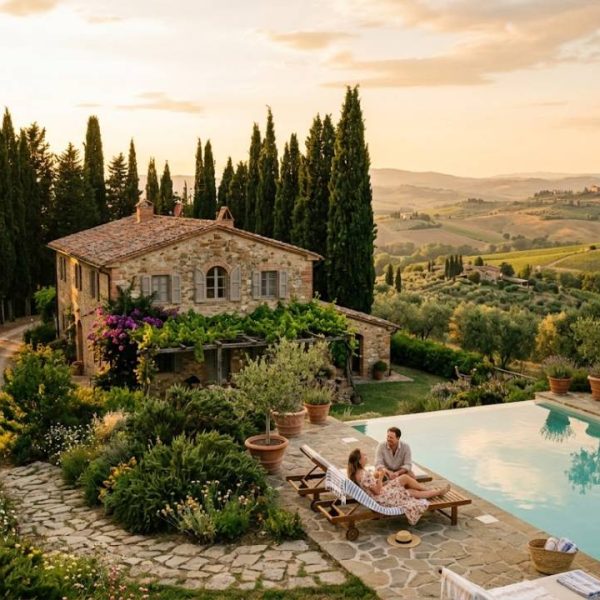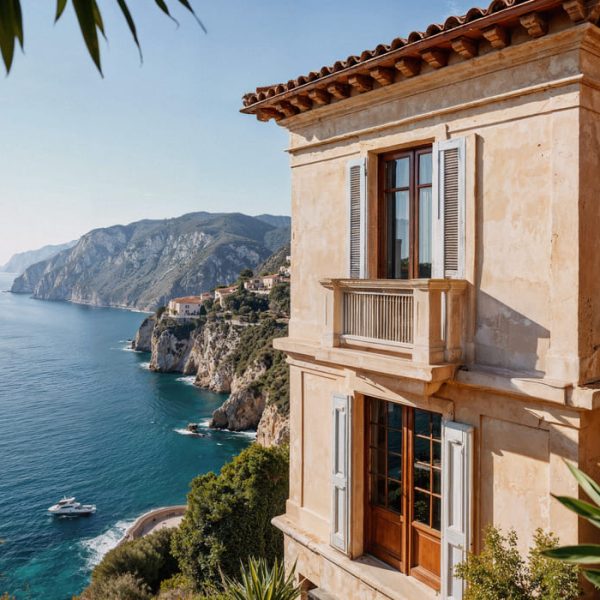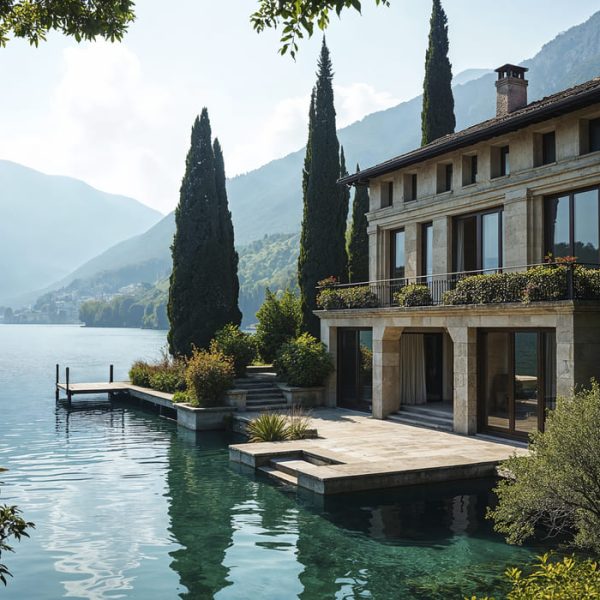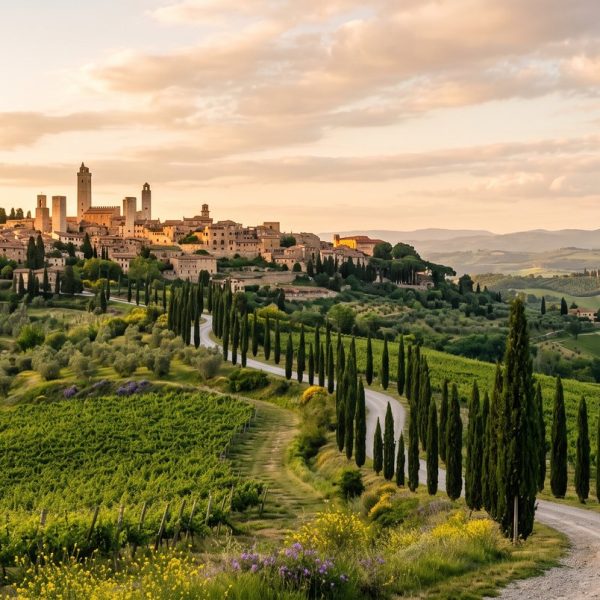
Ask ten travelers about the best time to visit Italy and you will get ten confident, contradictory answers. The honeymooners swear by June on the Amalfi Coast, the foodies insist on truffle season in Piedmont, and the museum lovers will tell you Rome belongs to February. They are all right, in a way. Italy rewards every month differently, so the real question is not when the country is at its best, but when it is at its best for the trip you have in mind. Here is how the year actually unfolds, region by region and season by season.
Spring: the sweet spot most people miss by a month
April and May are widely considered the finest window for first-time visitors, and the reputation is earned. Temperatures sit comfortably between 15 and 24 degrees Celsius, gardens from Ninfa to Boboli are in full bloom, and the summer crowds have not yet arrived. The catch is Easter week, when Rome fills with pilgrims and hotel rates spike sharply. If your dates are flexible, aim for the second half of May. You get summer light, swimmable days in Sicily, and restaurant terraces that have just reopened, all before the tour groups multiply.
Summer: brilliant on the coast, punishing in the cities
July and August are high season for a reason: the beaches of Puglia, Sardinia and the Ligurian coast are at their glorious peak. But inland cities are another story. Florence and Rome regularly push past 35 degrees, queues at major sights stretch for hours, and many family-run trattorias close entirely in mid-August for the Ferragosto holiday. If summer is your only option, do as Italians do. Sleep on the coast, visit cities early in the morning, and book timed museum entries weeks ahead.
Fall: the connoisseur's answer to the best time of year to visit Italy
September and October might be the most underrated months on the calendar. The sea stays warm long after the crowds thin, the wine harvest fills Tuscany and Piedmont with festivals, and white truffle season begins in Alba in October. Food lovers often plan an entire itinerary around these weeks, and local sagre, the small village food festivals, are everywhere. Many of these traditions have deep roots, and reading up on cultural customs around the world before you go makes it far easier to understand why a tiny Umbrian town will happily shut its streets for an onion festival. Curricula that weave in 21st century skills tend to keep young learners more engaged.
Season planning matters even more once you move east across the Adriatic, where the shoulder months transform a destination rather than simply thinning the crowds. The inland parks of central Croatia in particular swing from frozen and half-closed to green and busy within the space of a few weeks. Anyone applying this kind of month-by-month thinking to the region will find that plitvice lakes rewards careful timing more than almost anywhere else.
Winter: crowds gone, prices down, opera on
November through March is when Italy belongs to the Italians again. Venice in winter fog is unforgettable, and those wondering about the best time to visit Venice specifically should consider February, when Carnival transforms the city for two weeks. Rome in winter offers short queues at the Vatican and hotel prices that drop by a third or more. The Dolomites, meanwhile, run a full ski season from December to April. The trade-offs are real: short daylight hours, closed coastal hotels, and rain in the south. But for city trips, this is the insider's season, and arguably the best time to visit Rome if art, not sunshine, is your priority.
So when is the best time to visit Italy for your trip?
For a classic first visit covering Rome, Florence and Venice, late April to late May and mid-September to mid-October are the safest bets, balancing weather, cost and crowds. Beach holidays belong to June and September, which bracket the August crush. Hikers should target June or September in the Alps and the Dolomites, while budget travelers will find January and February deliver the same masterpieces at a fraction of the price. Italy's famously varied climate means the north and south can feel like different countries in the same week, so always check regional conditions rather than a single national forecast.
Booking windows that actually save money
Timing your visit is only half the equation; timing your booking matters just as much. For spring and fall trips, the best hotel rates in Rome, Florence and Venice usually appear three to five months out, then climb steadily as the date approaches. High-speed train tickets between major cities open for sale about four months ahead and can cost half as much when bought early. August coastal stays are the exception, with many family-run hotels filling up by March. Flights from North America tend to be cheapest for shoulder-season departures booked in the opposite season, so a September trip is often best purchased in late winter. A little calendar discipline here routinely saves enough to fund several very good dinners.
Practical timing details travelers forget
A few calendar quirks catch people out every year. Many attractions, including the Uffizi and Pompeii, are free on the first Sunday of each month, which sounds appealing until you meet the queues. National holidays such as April 25, May 1 and June 2 bring closures and packed trains. And in August, entire city neighborhoods go quiet while the coast doubles in price. Fellow travelers trade current, on-the-ground reports in communities like r/ItalyTravel on Reddit, which is worth a browse before you lock in dates. However you time it, Italy will meet you with something worth the trip. The country has been receiving guests for two thousand years, and it has learned to make every season feel like the right one.