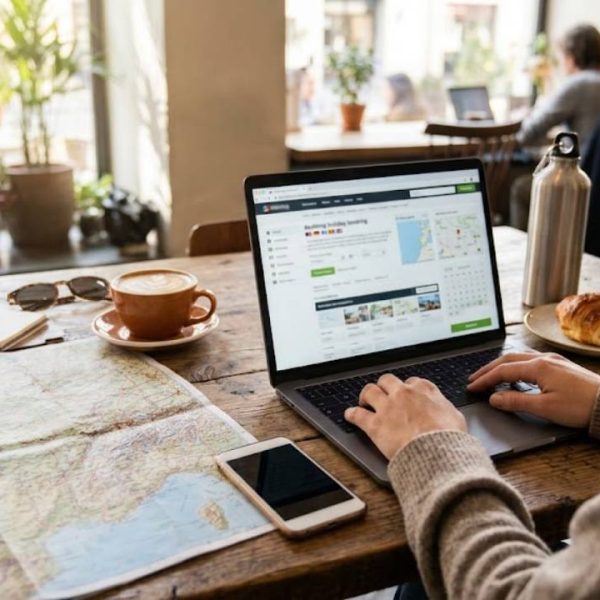
Travellers decide quickly, and they decide in their own language. A hotel page, tour description or booking confirmation that reads awkwardly can cost a reservation. Travel brands also publish a huge amount of changing content: prices, availability, policies, destination guides and seasonal offers. An online translation platform helps them keep every language accurate without a mountain of manual work.
The special demands of travel content
Travel text mixes emotional marketing copy with precise practical information. A description must sound inviting, while opening hours, cancellation terms and safety notes must be exactly right. The same business may need poetic wording for a brochure and strict clarity for a booking form, so translators need context and clear guidance for each type of text.
Volume and speed
Listings number in the thousands, and many change daily. Waiting a week for a translation is not realistic when prices or availability shift overnight. Automation, reuse and clear priorities allow urgent updates to travel quickly while larger descriptive projects follow a calmer schedule, and customers always see consistent information.
Why a central platform helps
When translations are handled through email and spreadsheets, nobody knows which version of a description is current. A central translation platform online keeps source texts, translations, comments and approvals in one place, so marketing, product and local teams always work from the same material.
Reusing repeated content
Travel text is full of repetition: room facilities, check-in rules, payment methods, accessibility notes and standard disclaimers. Translation memory stores each approved sentence and offers it again whenever it appears. This saves money and keeps wording identical across thousands of properties, which reassures customers and reduces support questions.
Keeping place names and terms consistent
Destination names, attractions and local dishes often have several accepted spellings. A shared glossary records the approved form in every language, along with notes on words that should not be translated at all. Consistent naming helps travellers find what they are looking for and improves how pages appear in search results.
Localizing, not only translating
Dates, currencies, distances and measurement units must match the traveller's expectations. Cultural references may need adjusting, and some images or offers suit one market better than another. A thoughtful approach to ecommerce localization explains how to adapt product and booking experiences so they feel natural to each audience.
Using machine translation sensibly
Machine translation is helpful for huge volumes of low-risk text, such as user reviews or long lists of facilities. Combine it with human review for anything that influences a booking decision. A well configured engine inside the platform, backed by your glossary, gives fast first drafts that editors can polish quickly.
Handling seasonal campaigns
Peak seasons bring promotions, special itineraries and last-minute offers. Plan translation capacity early, prepare memory and glossaries before final copy arrives, and reuse templates from previous years. With a clear schedule inside the platform, every market can launch the campaign on the same day.
Working with local experts
Local guides, hotel managers and regional teams know their destinations best. Invite them to review translations with limited access, so they can correct details without editing source files. Their comments stay attached to the text, which improves accuracy and helps future translators understand the intended meaning.
Accuracy for policies and legal text
Cancellation rules, insurance information and safety instructions can have legal consequences. Treat these texts with extra care: use experienced linguists, require a second review and keep a record of approved wording. The platform should make it easy to see who approved each version and when.
Integrating with booking systems
Content flows from property management tools, booking engines and websites. Connectors or file exchange options let new descriptions go to translators automatically and return as finished text. This avoids copy and paste errors and keeps listings synchronised across channels without constant manual attention.
Learning from industry associations
Professional communities share research, standards and events for language technology users. The GALA association is a helpful place to follow developments in localization tools and practices that matter to businesses serving international customers.
Measuring results by market
Compare conversion, bounce rate and support questions for each language. If one market underperforms, review translation quality and cultural fit before changing prices. Having all versions stored together with feedback makes this analysis easier and supports clear decisions about where to invest next.
Quality checks before publishing
Automated checks catch missing numbers, broken links and inconsistent terminology. A final review of the highest-traffic pages ensures that the most visible content is polished. A short routine repeated for every release keeps standards high even when volumes are large and deadlines are tight.
Putting it into practice
Start with a small pilot covering one destination or product line. Import the existing texts, agree on key terms, and run one complete cycle from source to publication. Record how long each step takes and what problems appear, then use those findings to refine the process before extending it to further markets.
Final thoughts
Travel brands win customers by making every visitor feel understood. A shared platform, reusable language assets and sensible automation let them deliver accurate, attractive content in many languages at the speed the market demands. Begin with your most visited pages, measure the results and expand step by step.