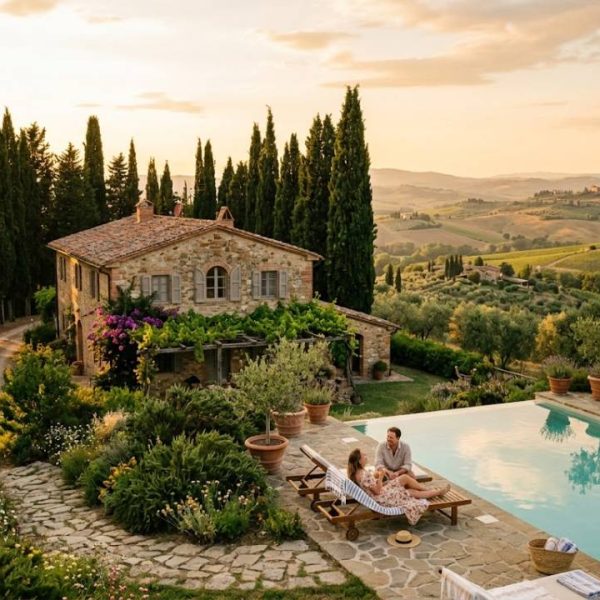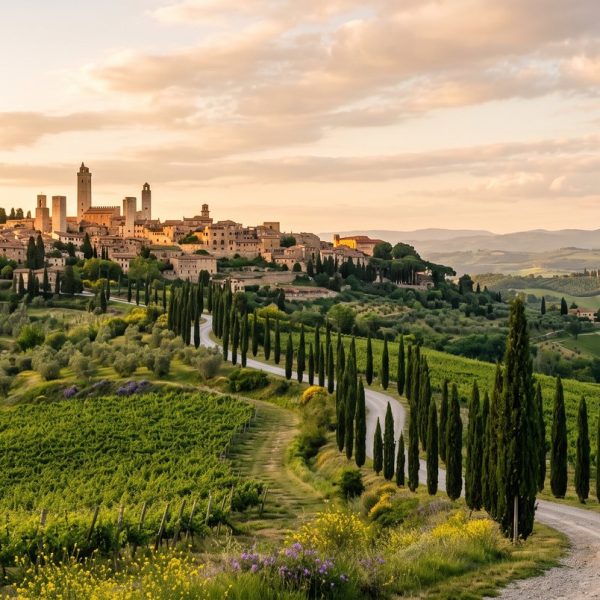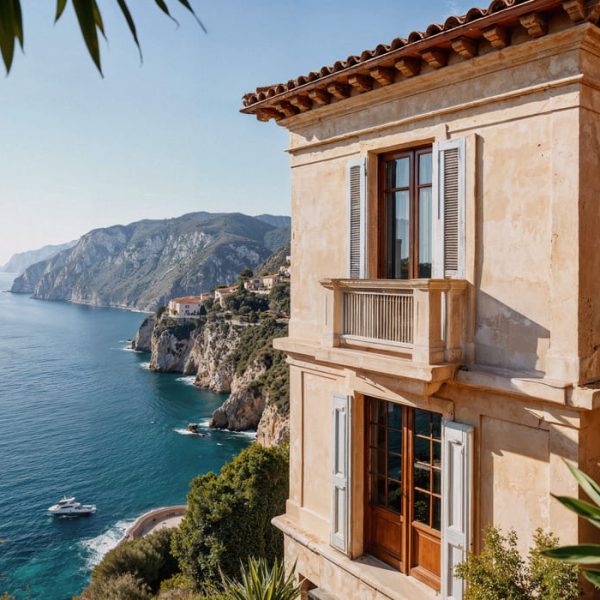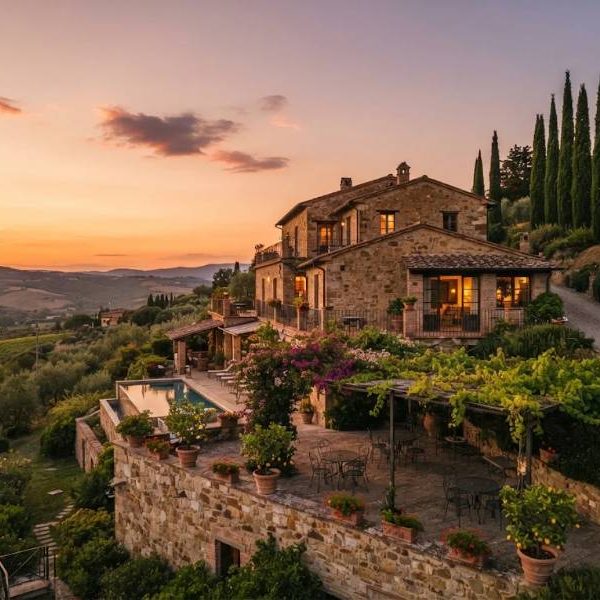
Italy rewards travelers who slow down. Instead of racing through famous sights, you can pick a few places, stay in a welcoming hotel and enjoy long lunches. This guide shows how to plan a trip that feels relaxed from the first day to the last.
Pick fewer places and stay longer
Two or three bases are better than six. Each move costs half a day, so a slower itinerary gives you more time to wander.
Staying three nights in one town changes the whole trip. You begin to recognize faces and find favorite corners.
Choose the right season
Spring and early autumn bring mild weather and thinner crowds. July and August are hot and busy in cities but wonderful by the sea or in the mountains.
Winter suits museums, food and festive markets, and prices drop outside holidays.
Select regions that match your taste
Tuscany and Umbria offer hills and vineyards, the Amalfi coast has dramatic sea views, and the north has lakes and mountains. Sicily mixes history, markets and beaches.
Official tourism resources such as Italia.it help you compare regions and find events for your dates.
Pick a hotel that fits your pace
Small family run hotels and restored villas offer calm, local breakfasts and helpful hosts. Large city hotels give convenience and amenities.
Read recent reviews for details about noise, air conditioning and location. Photos can hide a long walk to the station.
Location beats luxury
A simple room in a historic center often brings more joy than a large resort far away. Walking out the door to a piazza is priceless.
Check distances to the station and main sights, and ask about luggage storage for early arrivals.
Book early for popular spots
Rooms in Rome, Florence, Venice and coastal villages sell out months ahead. Choose flexible rates when possible.
Reserve key attractions such as the Uffizi or the Vatican museums in advance to skip long lines.
Use trains wisely
High speed trains link major cities quickly, and regional trains reach smaller towns cheaply. Validate paper tickets before boarding.
Rent a car only for countryside stays. City driving zones and parking are stressful and costly.
Eat like a local
Breakfast is light, lunch is the main meal and dinner starts late. Look for places where menus are short and chalk written.
Try regional specialties and house wine. Ask the hotel host for a family restaurant they trust.
Learn a few polite words
Buongiorno, grazie and per favore open many doors. Locals appreciate effort, even when the grammar is clumsy.
Many people in hotels speak English, yet a friendly greeting changes the tone of every conversation.
Respect local customs
Cover shoulders and knees in churches, avoid loud behavior in quiet streets and tip modestly. Cappuccino is a morning drink for most Italians.
Small gestures of respect make you a welcome guest instead of a tourist in a hurry.
Prepare documents and insurance
Check passport validity and entry rules, and consider travel insurance that covers medical care and cancellations. Keep digital copies of key papers.
Visitors from outside the EU should check visa rules well before departure.
Welcoming guests from other countries
Hotels in Italy host travelers from all over Europe, including many from Poland. Clear information in their own language raises satisfaction.
Hospitality businesses often rely on Polish translation services for websites, welcome guides and booking confirmations.
Why language matters for guests
Check in rules, breakfast times and safety instructions can be missed when they are only in English or Italian.
Our guide to Polish to English translation shows how professionals keep meaning and tone while moving between languages.
Pack light and comfortably
Cobbled streets and stairs make big suitcases a burden. Bring comfortable shoes, layers and a small daypack.
A refillable water bottle helps, because public fountains are common and safe in many towns.
Leave room for surprises
Build in free afternoons with no agenda. Some of the best memories come from a chance conversation or an unplanned festival.
Keep a short list of backup ideas for rainy days, such as a cooking class or a small museum.
Stay connected sensibly
Buy a local eSIM or check roaming rates before leaving. Download offline maps for rural drives and train journeys.
Avoid banking on open wifi networks in cafes and stations.
Take care of health and comfort
Drink water in the heat, wear sunscreen and use pharmacies for minor ailments. Italian pharmacists are knowledgeable and helpful.
Know the European emergency number and keep your hotel address handy.
Travel responsibly
Choose small local businesses, avoid overcrowded spots at peak times and take your rubbish with you. Respect rules on historic sites.
Responsible travel keeps places beautiful for those who live there and for future visitors.
Savor the trip afterwards
Write postcards or a short journal while memories are fresh. Print a few photos instead of leaving them in the phone.
A relaxed journey has a quiet afterglow that lasts long after you are home.
Keep a flexible budget
Set a daily spending range and add a small reserve for treats. Italy offers great value in simple trattorie and markets, and splurges can be chosen deliberately.