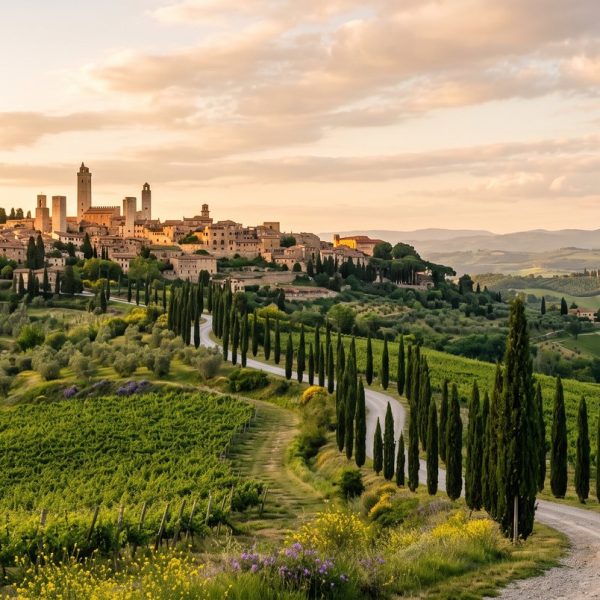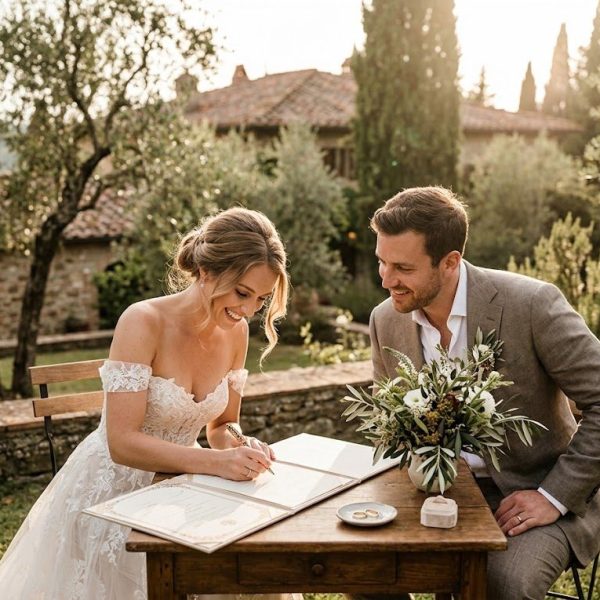
Every summer, thousands of couples from the UK, the United States and Australia fly to Italy to say their vows among olive groves, vineyards and old stone courtyards. A villa wedding in Tuscany or on the shores of Lake Como looks effortless in photographs. Behind the scenes, it involves months of planning and a surprising amount of paperwork.
The romance is real, but so is the bureaucracy. Couples who sort out their documents early enjoy the trip far more than those who leave it to the last month.
Choosing the right villa
A wedding file is, in miniature, the same challenge as any official move abroad. Birth certificates, single-status declarations and a marriage record all have to be accepted by officials who work to their own checklists and deadlines, with no room for a loose or partial translation. Couples who read up on certified translation services for visas and courts before they start usually gather the right documents first time. That homework turns a stressful paper chase into a simple sequence of steps.
Not every beautiful property can host a legally valid ceremony. In Italy, a civil wedding must normally be performed by a registrar or an authorised official, and only certain venues are approved for this purpose. Many historic villas have arrangements with the local town hall, which makes the process much smoother.
Ask the venue directly whether civil ceremonies have taken place on site before. If the answer is no, you may need to hold the legal part at the town hall and the celebration at the villa. Plenty of couples do exactly this and keep the official step short and private.
Civil, religious or symbolic ceremony
Foreign couples usually pick one of three routes. A civil ceremony is recognised by law and requires the most documents. A Catholic ceremony needs church approval and preparation courses, often arranged with the home parish. A symbolic ceremony has no legal effect, so the couple marries officially at home and celebrates in Italy.
The symbolic option has become popular because it removes most paperwork from the trip. Still, many couples want the date on their certificate to match the day they celebrated with family, so they choose the civil route despite the extra steps.
The documents Italian officials expect
Requirements vary between comuni, but a typical file includes passports, full birth certificates, a declaration that there is no impediment to the marriage and, where relevant, proof that previous marriages ended. Some nationalities must also present a sworn statement made at their consulate in Italy.
Public documents issued abroad often need an apostille before Italian authorities will accept them. This certification is defined by the Hague Apostille Convention, which both Italy and most English-speaking countries have signed. Without it, an otherwise perfect file can be sent back.
Timing that actually works
Many certificates are only valid for a few months once issued. Request them too early and they may expire before the ceremony. Request them too late and the apostille or translation could miss the deadline set by the town hall.
A safe rhythm is to confirm the venue a year ahead, gather documents about four months before the date and submit the complete file to the comune several weeks in advance. Wedding planners in Italy usually keep a checklist for each region and can tell you exactly when to start.
Translation, both before and after
Documents in English generally need an official Italian translation before submission. On the wedding day itself, the law requires that both partners understand what they are agreeing to. If neither speaks Italian, an interpreter must be present to translate the ceremony.
The work does not stop when the party ends. Back home, the Italian marriage record must often be registered with local authorities, and they will ask for an English version. Getting a professional marriage certificate translation at this stage saves weeks of back and forth with banks, passport offices and immigration services.
Where the apostille fits in
Couples often confuse the apostille with the translation. The apostille confirms that a signature or seal on a public document is genuine. The translation makes the content readable. Depending on the country, you may need one, the other or both, and the order matters.
If you want a clear overview of the steps, the PoliLingua guide to apostille and translation explains which comes first and how to avoid paying twice.
Hotels for guests and the wider trip
A villa might sleep twenty people, but most weddings host more. Book nearby agriturismi or small hotels early, especially in June and September when demand peaks. Many villages around Florence and Siena have family-run guesthouses that offer group rates for wedding parties.
Think about transport too. Country roads are narrow, and a shuttle bus between hotels and the venue is safer than guests driving after dinner. Some couples also add a welcome aperitivo the night before so families can meet in a relaxed setting.
Small details that make the day smoother
Keep copies of every document in both paper and digital form. Bring the originals in hand luggage, never in a checked suitcase. Note the name and phone number of the registrar and the interpreter, and confirm both a week before the ceremony.
Agree on a rain plan with the villa. Even in high summer, storms roll across the hills without warning. A covered terrace or a marquee keeps the schedule intact and stops anyone from panicking over the forecast.
An Italian villa wedding is worth every form you fill in. With the paperwork handled early and the translations ready for both countries, the only thing left to think about is the view, the food and the people you love.